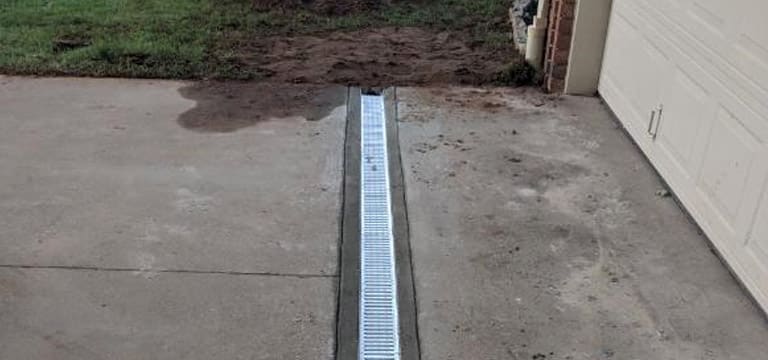
When dealing with excess water around your home, choosing the right drainage solution is key to protecting your property. Two of the most common options are dry wells and catch basins. While both are designed to manage water runoff, they serve different purposes and function in unique ways. Understanding the difference between a dry well and a catch basin can help you make a more informed decision for your property. Our waterproofing professionals at AWS are here to help.
What Is A Dry Well?
A dry well is an underground structure designed to collect and disperse excess water into the surrounding soil. It’s typically installed below ground level and filled with gravel or a specialized chamber system that allows water to slowly seep into the earth.
Dry wells are often used to handle water from downspouts, sump pumps, or areas where water tends to pool. Instead of letting water sit on the surface or flow toward your foundation, a dry well redirects it underground, where it can safely dissipate over time.
What Is A Catch Basin?
A catch basin, on the other hand, is designed to collect and redirect surface water rather than disperse it. It’s typically installed at ground level and features a grate that allows water to flow into a basin below.
Inside the basin, debris like leaves, dirt, and sediment settle at the bottom while water exits through a connected drainage pipe. This pipe then carries the water away from your property, often toward a storm drain or another designated drainage area. Catch basins are ideal for areas that experience heavy rainfall or where water tends to accumulate quickly, such as driveways, patios, or low-lying sections of your yard.
Key Differences Between Dry Wells and Catch Basins
The main difference between these two systems comes down to how they handle water. A dry well focuses on absorption, while a catch basin focuses on redirection. It captures water and moves it elsewhere through a drainage system, which is especially useful when large volumes of water need to be quickly removed from the surface.
To break it down a bit further:
- Water Management Method: Dry wells absorb and disperse water underground, while catch basins collect and channel water away through pipes.
- Best Use Case: Dry wells work well in areas with good soil drainage and moderate runoff, whereas catch basins are better for heavy rainfall and areas prone to pooling or flooding.
- Maintenance Needs: Catch basins require more routine cleaning to remove debris like leaves and sediment. Dry wells typically need less frequent maintenance, but can lose efficiency if they become clogged over time.
- System Design: Dry wells are standalone underground systems, while catch basins are usually part of a larger drainage network.
Which Option Is Right For Your Property?
The right solution depends on your specific drainage needs. If your property struggles with pooling water but has soil that drains well, a dry well may be the ideal choice. However, if you’re dealing with heavy runoff, poor soil drainage, or frequent flooding, a catch basin may be more effective.
In many cases, the best solution isn’t choosing one over the other. It’s using both together as part of a comprehensive drainage system. A catch basin can collect and redirect large amounts of water, while a dry well can help manage excess runoff in targeted areas.
Protect Your Property With The Right Drainage Solution Today
Poor drainage can lead to serious issues, including foundation damage, basement flooding, and landscape erosion. That’s why it’s important to choose the right system and ensure it’s installed correctly.
If you’re unsure whether a dry well, catch basin, or combination of both is right for your property, contact our professionals at AWS today. Our team has the experience and expertise to design and install effective drainage solutions that protect your home for the long term.