Protect and Repair Inside and Out
A wet basement is more than just an inconvenience, it’s a warning sign that your home may be vulnerable to structural damage, mold growth, and decreased property value. Addressing water intrusion early is essential, and understanding the basics of basement leak repair can help you take the right steps before the problem worsens.
Contact Us Today by filling out the form below, or calling us at 1-610-241-7009
What Causes Basement Leaks?
Basement leaks can develop for several reasons, and identifying the root cause is the first step toward an effective repair. One of the most common culprits is poor drainage around your home. When rainwater or melting snow isn’t directed away from the foundation, it can seep through cracks or porous concrete walls.
Hydrostatic pressure is another major factor. When the soil surrounding your home becomes saturated, water pressure builds against your foundation, eventually forcing moisture through even the smallest openings. Cracks in foundation walls or floors, faulty sump pumps, clogged gutters, and improperly sealed windows can all contribute to leaks as well.

Basement Leak Repair Could Be an Inside or Outside Issue
Depending on where the water intrusion is originating and how severe the damage has become. In some cases, leaks are caused by minor issues inside the basement, such as small foundation cracks, poor sealing around windows, or groundwater seeping through porous concrete. These situations may be effectively managed with interior waterproofing solutions like sealants, drainage systems, or sump pumps. However, more serious or persistent leaks often point to exterior problems, such as improper grading, clogged gutters, or excessive hydrostatic pressure around the foundation. In these cases, exterior repairs like foundation sealing, French drains, or improved drainage systems may be necessary. Because water intrusion can stem from multiple sources at once, a combination of both interior and exterior basement leak repair methods is often the most effective way to ensure long-term protection and prevent future damage.

Signs You Need Basement Leak Repair
Sometimes, basement leaks are obvious, but other times they develop slowly and go unnoticed. Ignoring these signs can lead to more extensive and expensive repairs down the line. Here are some common warning signs:
- Damp or musty odors
- Visible mold or mildew growth
- Water stains on walls or floors
- Peeling paint or efflorescence (white chalky residue)
- Pooled water after heavy rain
- Warped wood or damaged flooring
Interior Waterproofing Solutions
This type of basement leak repair is typically less invasive and more cost-effective than exterior methods. Common solutions include installing interior drainage systems, sump pumps, and applying sealants to walls and floors to reduce moisture. While it doesn’t stop water from entering, interior waterproofing helps keep your basement dry and protects against mold and structural damage.

Interior Drainage Systems
These systems collect water that enters the basement and direct it to a sump pump for removal.
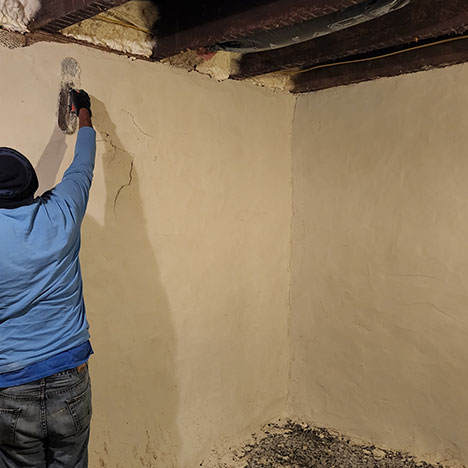
Sealants and Epoxy Injections
Small cracks in foundation walls can often be sealed using epoxy or polyurethane injections, which prevent further water intrusion.
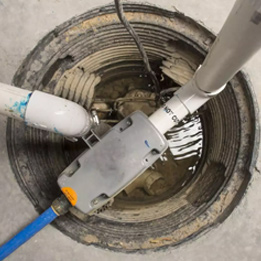
Sump Pump Installation
A reliable sump pump is essential for keeping your basement dry, especially in areas prone to heavy rainfall.
Exterior Waterproofing Solutions
Stop water before it enters your home by addressing the problem at its source. This type of basement leak repair typically involves sealing foundation walls, improving drainage, and directing water away from the structure. By preventing moisture intrusion altogether, exterior methods provide long-term protection against leaks and structural damage.

Foundation Crack Sealing
This involves digging around the foundation and applying waterproof membranes to the exterior walls.

French Drains
Installed around the perimeter of your home, these drains redirect water away from the foundation.

Buried Downspouts
Ensuring that water is properly directed away from your home can significantly reduce the risk of leaks.
Financing Offers Available
0% Financing Available With Approved Credit, Affordable Monthly Payment Options, And Fast Pre-Qualification That Doesn’t Affect Your Credit Score. Start Your Application Today.
DIY vs. Professional Basement Leak Repair
While some minor fixes, like sealing small cracks or cleaning gutters, can be handled by homeowners, many basement leak repair issues require professional expertise. Misdiagnosing the problem or using the wrong solution can lead to recurring leaks and more damage over time.
Professionals have the tools and experience to accurately identify the source of the leak and recommend the most effective repair strategy. They can also ensure that all work meets local building codes and provides long-term protection.
Call 1-610-241-7009 For Your Free Consultation Today
Preventing Future Basement Leaks
Once you’ve completed your basement leak repair, taking preventative measures can help keep your basement dry for years to come. Proactive maintenance can save you time, money, and stress in the long run.
- Regularly inspect your foundation for cracks
- Keep gutters clean and ensure downspouts extend at least 6 feet from your home
- Maintain proper grading around your property to direct water away from the foundation
- Install a backup sump pump system for added protection
- Monitor humidity levels and use a dehumidifier if needed
Protect Your Home with Expert Help from AWS
Basement leaks don’t fix themselves, and delaying repairs can lead to serious consequences for your home’s structure and indoor air quality. Whether you’re dealing with minor moisture issues or significant water intrusion, professional help ensures the problem is handled correctly the first time inside and out.
If you’re experiencing signs of water in your basement, don’t wait. Contact A Waterproofing Solution for a free consultation to come up with a plan to fix your waterproofing issues. Our experienced team will assess your situation, recommend the best course of action, and help you protect your home from future water damage.