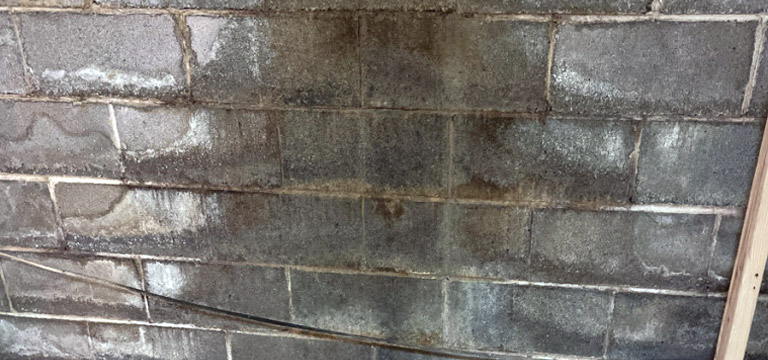
Basement wall cracks are a common concern for homeowners, and understanding their root causes is essential for preventing structural damage and water intrusion. One of the primary culprits behind basement wall cracks is hydrostatic pressure. This invisible force from groundwater can exert immense pressure on your foundation walls, leading to cracks, leaks, and even long-term structural problems. Knowing how hydrostatic pressure works, how it affects your basement, and what preventative measures you can take is crucial for maintaining a safe and dry home. Our waterproofing professionals at AWS are here with all the answers regarding how hydrostatic pressure leads to basement wall cracks.
What Is Hydrostatic Pressure?
Hydrostatic pressure refers to the force that water exerts when it accumulates around a foundation. When the soil surrounding your home becomes saturated with water, often due to heavy rain, poor drainage, or high groundwater levels, the water pushes against your basement walls. Unlike water running freely, this trapped water creates pressure that presses inward on any barrier, including concrete or block foundation walls. Over time, the constant pressure from groundwater can compromise the integrity of your basement walls, leading to cracks, bowing, or leaks. The magnitude of hydrostatic pressure depends on several factors.
- Soil type: Clay and other dense soils retain more water, increasing pressure on walls.
- Water table height: Homes built in areas with high water tables experience greater pressure.
- Drainage efficiency: Poor grading, clogged gutters, or a lack of drainage systems allows water to accumulate near the foundation.
How Hydrostatic Pressure Causes Basement Wall Cracks
Hydrostatic pressure is a silent but persistent threat. When water accumulates against your foundation, the pressure can exceed the wall’s structural capacity. The results often appear as:
- Horizontal Cracks – These are typically the most concerning because they indicate significant stress on your wall. Horizontal cracks can form when hydrostatic pressure pushes the wall inward over time.
- Vertical Cracks – While vertical cracks are often associated with settling, hydrostatic pressure can exacerbate them, especially at corners or where the wall connects to the footing.
- Stair-Step Cracks – Common in block foundations, stair-step cracks follow the mortar lines of the blocks and can occur when soil movement and water pressure combine to stress the wall unevenly.
- Bowed or Leaning Walls – In severe cases, sustained hydrostatic pressure can cause walls to bow inward. This not only increases the risk of cracking but may also pose a serious structural hazard if left unaddressed.
The pressure doesn’t just damage the walls, it also creates pathways for water to enter your basement. Even a tiny crack can allow moisture to seep through, leading to damp conditions, mold growth, and potential damage to flooring, furniture, and stored items.
Signs Of Hydrostatic Pressure Damage
Recognizing the signs of hydrostatic pressure before severe damage occurs is key. Early detection allows for timely intervention, preventing more serious structural issues and expensive repairs down the line. Homeowners should watch for:
- Cracks along basement walls, especially horizontal or stair-step cracks
- Damp or wet basement floors
- Bowing or leaning walls
- Water seepage or dripping through cracks
- Efflorescence, a white powdery substance on walls indicating moisture infiltration
Factors That Increase Hydrostatic Pressure Risk
Certain conditions make homes more susceptible to hydrostatic pressure-related damage. Understanding these factors can help you take preventative measures and reduce the likelihood of basement wall cracks caused by hydrostatic pressure.
- Heavy Rainfall or Snowmelt: Extended periods of rain or melting snow can saturate the soil surrounding your foundation.
- Poor Landscaping or Grading: Soil that slopes toward your home encourages water to accumulate near the foundation instead of draining away.
- Clogged or Inefficient Gutters: Downspouts that don’t direct water away from your foundation contribute to hydrostatic pressure buildup.
- High Groundwater Levels: Homes in areas with naturally high water tables experience more constant pressure on their basement walls.
Preventing Basement Wall Cracks From Hydrostatic Pressure
While hydrostatic pressure is a powerful force, there are ways to mitigate its effects and protect your basement. These preventative measures reduce hydrostatic pressure’s impact and help maintain the structural integrity of your basement walls.
- Proper Drainage Systems – Installing exterior or interior drainage systems, such as French drains or perimeter drains, can redirect water away from your foundation.
- Foundation Waterproofing – Applying waterproof coatings, membranes, or sealants on your foundation walls can prevent water infiltration.
- Grading and Landscaping – Ensure the ground slopes away from your home so that rainwater and snowmelt flow away from the foundation.
- Gutter Maintenance – Keep gutters and downspouts clear of debris and extend downspouts several feet away from the foundation to prevent water pooling.
- Sump Pumps – In areas prone to high water tables, sump pumps can help remove excess water before it builds up against your walls.
When To Call A Professional
Hydrostatic pressure can cause serious damage if left unchecked. While minor cracks can sometimes be managed with DIY solutions, significant structural issues require professional evaluation. Professional intervention ensures that the problem is addressed correctly and prevents long-term structural complications. Our professionals at AWS can:
- Assess the extent of wall cracks and structural stress
- Recommend appropriate drainage or waterproofing solutions
- Install professional-grade systems to protect your home from future water damage
Contact AWS To Protect Your Home From Foundation Issues
If you notice cracks in your basement walls or are concerned about hydrostatic pressure, contact A Waterproofing Solution for a professional inspection. Our experts can evaluate your foundation, identify potential issues, and recommend the best waterproofing solutions to protect your home for years to come.