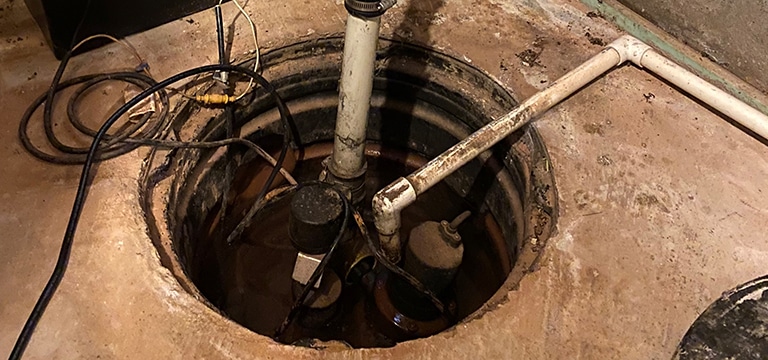
A sump pump can be one of the most important pieces of equipment protecting your home from water damage. Installed in a sump pit at the lowest point of a basement or crawl space, it automatically removes excess groundwater and directs it away from your foundation. While many homeowners only think about their sump pump when heavy rain arrives, understanding its lifespan and knowing when to replace it can help prevent costly flooding, mold growth, and structural damage.
If you’re wondering how often a sump pump should be replaced, the answer depends on several factors, including the type of pump, how often it runs, and how well it has been maintained.
Average Sump Pump Lifespan
Most sump pumps last between 7 and 10 years. However, some units may fail sooner if they experience heavy use or lack regular maintenance. Homes located in areas with high water tables or frequent storms often put more strain on sump pumps, which can shorten their lifespan.
Even if your sump pump appears to be functioning properly, replacing it proactively as it approaches the end of its expected lifespan can help avoid unexpected failures during severe weather events.
Factors That Affect Sump Pump Longevity
Several factors influence how long a sump pump will last.
Frequency of Use
A sump pump that runs occasionally may last longer than one that operates daily. Homes with persistent groundwater issues often require the pump to work much harder, leading to increased wear on the motor and mechanical components.
Pump Quality
Higher-quality sump pumps generally last longer and offer better reliability than budget models. Investing in a durable, professionally installed sump pump can provide years of dependable protection.
Maintenance
Regular maintenance can significantly extend the life of a sump pump. Cleaning the sump pit, checking the discharge line, and testing the float switch can help identify problems before they lead to failure.
Power Surges and Electrical Issues
Electrical problems can damage the motor or control components of a sump pump. Installing surge protection and ensuring the pump is connected properly can help prevent unnecessary wear.
Signs Your Sump Pump May Need Replacement
Even if your sump pump hasn’t reached the 7-to-10-year mark, there are warning signs that indicate it may be nearing the end of its useful life.
Strange Noises
Grinding, rattling, or excessive vibration often signals worn bearings or motor problems. Unusual noises should never be ignored, as they can indicate imminent failure.
Frequent Cycling
If your sump pump turns on and off repeatedly, it may be improperly sized or experiencing mechanical issues. Excessive cycling puts additional stress on the system and can shorten its lifespan.
Visible Rust or Corrosion
Rust around the pump housing or discharge pipe can indicate aging components. Corrosion may affect performance and eventually lead to system failure.
Reduced Performance
If water remains in the sump pit longer than usual or the pump struggles to keep up during heavy rainfall, replacement may be necessary.
Constant Running
A sump pump that runs continuously could have a stuck float switch, clogged discharge line, or worn motor. In many cases, replacement is the most cost-effective solution.
Why Waiting Too Long Can Be Risky
Many homeowners don’t realize their sump pump has failed until water begins entering the basement. Unfortunately, by that point, significant damage may already be occurring.
A failed sump pump can lead to:
- Basement flooding
- Foundation damage
- Mold and mildew growth
- Damage to flooring and stored belongings
- Increased repair costs
Replacing an aging sump pump before it fails can provide peace of mind and help ensure your drainage system is ready when severe weather strikes.
Consider Upgrading Your System
If your existing sump pump is nearing the end of its lifespan, it may be worth exploring modern upgrades. Newer sump pumps often offer improved energy efficiency, quieter operation, and enhanced reliability.
Many homeowners also choose to install a battery backup sump pump. Backup systems provide protection during power outages, which are common during major storms and can leave a primary sump pump unable to operate when it’s needed most.
Professional Inspection and Replacement from AWS
Because sump pumps play such a critical role in protecting your home, it’s a good idea to have the system inspected regularly by a professional at AWS. Our experts can evaluate the pump’s condition, test its operation, and recommend whether repair or replacement is the better option.
If you’re concerned about your sump pump’s performance or want to upgrade your home’s drainage protection, contact the property drainage experts at AWS. Our experienced team can inspect your existing system, recommend the right sump pump solution for your property, and provide a professional quote to help keep your basement dry and your foundation protected year-round.