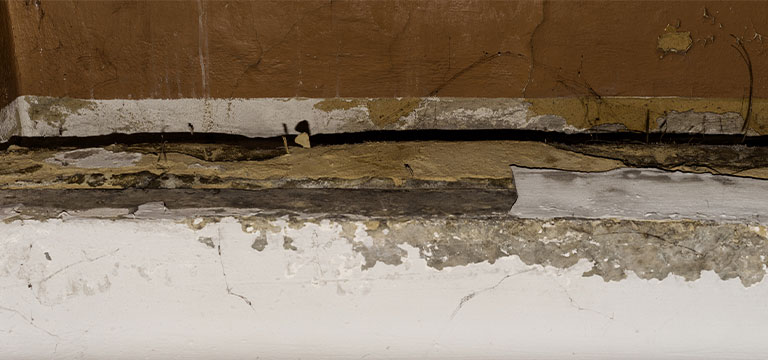
Water damage doesn’t always announce itself with standing water or obvious leaks. In many homes, moisture issues develop slowly and remain hidden behind walls, beneath floors, or within the foundation itself. Over time, this hidden water damage can weaken structural components, create unhealthy living conditions, and lead to expensive repairs if left unaddressed. Knowing the early warning signs of hidden water damage in foundations can help homeowners take action before small issues become major problems. Our waterproofing specialists at AWS have all the information you need.
How Water Damage Hides in Foundations
Foundations are built to be strong, but they are not completely waterproof. Concrete and masonry are porous materials, meaning water can seep through microscopic openings. Cracks caused by natural settling or pressure from saturated soil can allow moisture to enter without obvious signs at first.
Because water often travels behind walls or under flooring, damage may be occurring long before it becomes visible. This is why foundation water issues are often discovered only after secondary symptoms begin to appear.
Musty Odors and Persistent Humidity
One of the most common signs of hidden water damage is a persistent musty smell, especially in basements or crawl spaces. Even if you don’t see water, lingering odors often indicate trapped moisture. High humidity levels can also make basement areas feel damp or uncomfortable year-round. Excess moisture creates the perfect environment for mold and mildew growth, which can spread unnoticed behind walls and insulation while affecting indoor air quality throughout the home.
Cracks That Worsen Over Time
Not all foundation cracks are immediately serious, but changes in size or number can be a red flag. Hairline cracks that grow wider, longer, or appear in multiple areas may indicate ongoing moisture intrusion or pressure from saturated soil. Water entering through these cracks can weaken surrounding materials, causing gradual deterioration that may not be obvious until visible damage worsens.
Discoloration and Surface Changes
Water damage often leaves behind subtle visual clues. White, chalky residue on basement walls, known as efflorescence, forms when moisture evaporates and leaves mineral deposits behind. Dark stains, peeling paint, or bubbling wall surfaces can also point to water moving through foundation materials. These surface changes may seem cosmetic, but they often signal deeper moisture issues within the foundation.
Uneven Floors and Sticking Doors
Hidden water damage can affect more than just basement walls. Prolonged moisture exposure can lead to foundation shifting or settlement, which may show up as uneven floors or doors and windows that suddenly stick or won’t close properly. These changes are sometimes mistaken for normal aging, but they can indicate that water damage is compromising the stability of the foundation.
Why Early Detection Matters
The longer hidden water damage goes undetected, the more extensive the repairs can become. Moisture can weaken foundation materials, encourage mold growth, and increase the risk of structural movement. Early intervention helps limit damage, reduce repair complexity, and protect your home’s value.
Professional inspections are often the best way to uncover hidden water damage and moisture-related issues. Our waterproofing professionals at AWS know where to look and how to fix the problem at its source.
Protect Your Foundation With AWS Waterproofing Experts
From drainage systems to foundation sealing and structural repair, our pros at AWS provide customized waterproofing services designed to protect your home from hidden water damage. If you’ve noticed any warning signs of hidden water damage in your foundation, or simply want peace of mind, contact AWS online today to schedule an evaluation and protect your home for years to come.