Water intrusion can pose serious problems for homeowners, leading to mold growth, foundation damage, and costly repairs. Understanding the differences between interior and exterior waterproofing is crucial for protecting your property. While both approaches aim to prevent water-related damage, they tackle the problem from different angles, and knowing which method suits your home best can save you time, money, and stress. From sump pumps to buried downspouts, there are many ways you can protect your property from water infiltration. Our waterproofing professionals at AWS are here with all the information you’re looking for.
Key Differences Between Interior and Exterior Waterproofing
The primary difference between interior and exterior waterproofing lies in where water is addressed. Exterior waterproofing prevents water from entering your foundation in the first place, while interior waterproofing manages water that has already infiltrated your home. Both approaches can be tailored to the unique needs of your property, and sometimes a combination of both methods provides the most reliable protection.
Choosing the right solution depends on factors such as soil conditions, the severity and frequency of water intrusion, and your long-term goals for basement and foundation protection. Homes with high water tables, heavy rainfall, or poor soil drainage may benefit most from exterior waterproofing. Homes with less severe water issues or limited access to the exterior may find interior waterproofing sufficient to manage moisture and prevent damage.
Exterior Waterproofing Solutions
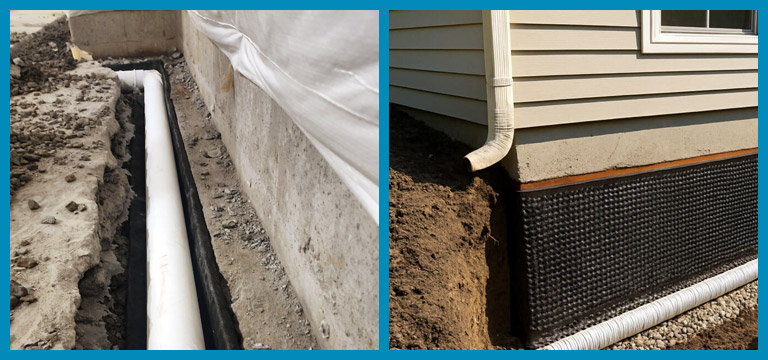
Exterior waterproofing focuses on stopping water before it reaches your foundation walls. This process typically begins with excavating the soil around your home to expose the foundation. A waterproof barrier, usually made of rubberized coatings or membranes, is applied directly to the exterior walls to prevent water from penetrating. Exterior waterproofing also typically involves installing drainage solutions such as buried downspouts, French drains, dry wells, or gravel beds to redirect water away from the foundation.
One of the main advantages of exterior waterproofing is that it addresses the source of the problem. By keeping water away from your foundation, it helps prevent structural damage, erosion, and long-term moisture issues. This method is generally recommended for homes experiencing persistent or severe water infiltration, or for properties with poorly draining soil. Although exterior waterproofing can be more labor-intensive and costly upfront, it provides a comprehensive, long-term solution.
Interior Waterproofing Solutions
Interior waterproofing addresses water that has already entered the basement or lower levels of your home. This method typically involves installing interior drainage systems, such as perimeter drains or sump pumps, to channel water safely out of the basement. In some cases, waterproof coatings or sealants are applied to walls and floors to reduce seepage and help protect against moisture damage.
While interior waterproofing does not stop water from reaching the foundation, it effectively manages existing water and prevents it from causing lasting damage. This method is often a more affordable option than exterior waterproofing and can be installed with minimal disruption to your landscaping. Interior waterproofing is particularly useful for homes with mild or intermittent water issues or when exterior excavation is not feasible.
Making The Right Choice For Your Property Needs
Determining whether interior or exterior waterproofing is best for your home requires professional expertise. A qualified waterproofing company, like our team at AWS, can assess your property, evaluate the source of water problems, and recommend a solution tailored to your needs. We can also help you understand the long-term benefits and potential costs associated with each approach, ensuring you make an informed decision that protects your home effectively.
If you’re still unsure of the difference between interior and exterior waterproofing and which solution is right for you, contact A Waterproofing Solution to discuss your waterproofing needs. Our experienced team can assess your property, recommend the most effective methods, and implement a customized plan to keep your home dry, safe, and protected for years to come.